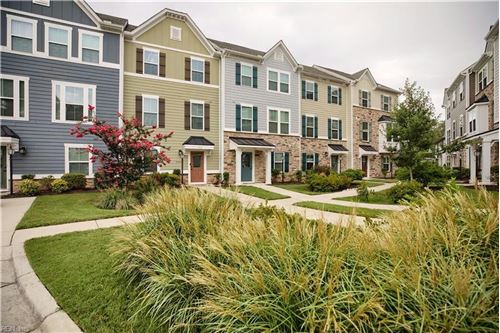
Real estate in Virginia, United States
Property for sale in Virginia (United States): 8 active listings. Avg. 387,000 €. Apartments, houses, land aggregated from source portals.
8
Listings
387 378 €
Avg. price
1
Source portals
279 300–479 465 €
Price range
8 listings found
Latest listings


About this selection
Real estate in Virginia, United States
Virginia's real estate market is characterized by its diverse landscape, which includes urban centers, suburban communities, and rural areas. The state is home to historic sites, vibrant cultural scenes, and a strong economy, making it attractive to a variety of buyers, including families, young professionals, and retirees. Buyers are often drawn to Virginia for its quality of life, access to educational institutions, and job opportunities in sectors like technology, defense, and healthcare. Overall, the market tends to reflect a balance of traditional charm and modern convenience.
When considering a property purchase in Virginia, prospective buyers should be aware of local customs and regulations. The typical transaction process involves making an offer, negotiating terms, and conducting inspections before closing. Foreign buyers should familiarize themselves with any legal requirements, such as obtaining a tax identification number and understanding the implications of property ownership in the U.S. It is advisable to work with a local real estate agent who can provide insights into the nuances of the Virginia market and assist with navigating the purchasing process.
Price trends in Virginia vary significantly depending on the region, property type, and market conditions. Generally, prices in urban areas, such as Northern Virginia, tend to be higher than those in rural regions. Factors influencing pricing include location, proximity to amenities, property size, and overall condition. The price range typically reflects the varying demands for different types of homes, from single-family residences to townhouses and condominiums, indicating a competitive market that can fluctuate based on economic conditions and buyer interest.
For potential buyers, it is essential to conduct thorough inspections of properties to identify any issues that may affect value or livability. Common pitfalls include overlooking foundational problems or failing to assess the condition of major systems like plumbing and electrical. Utilizing this aggregator can be an effective way to compare listings across multiple platforms, ensuring a comprehensive view of available properties without being tied to a single agency's offerings.
Need help finding your next property?
Frequently asked questions
What are the basics of the real estate market in Virginia?
Virginia's real estate market is diverse, featuring urban, suburban, and rural properties. It attracts a wide range of buyers due to its economic opportunities, historical significance, and quality of life.
Can foreigners buy property in Virginia?
Yes, foreigners can purchase property in Virginia, but they should be aware of specific legal requirements, such as obtaining a tax identification number. It's advisable to consult with a local expert to navigate the process effectively.
What taxes and fees should buyers expect?
Buyers in Virginia should anticipate property taxes, transfer taxes, and potential homeowners association fees. These costs can vary by locality, so it's important to research the specific area of interest.
What financing options are available for buying in Virginia?
Various financing options are available, including conventional loans, FHA loans, and VA loans for eligible veterans. Buyers should assess their financial situation and consult with lenders to find the best fit.
What should buyers inspect when viewing properties?
Buyers should inspect the overall condition of the home, including the roof, foundation, plumbing, and electrical systems. It's also wise to check for signs of mold or pests, which can be costly to address after purchase.
Get matched with the right listings
Tell us what you are looking for — country, budget, type — and we will help you find it across all source portals.